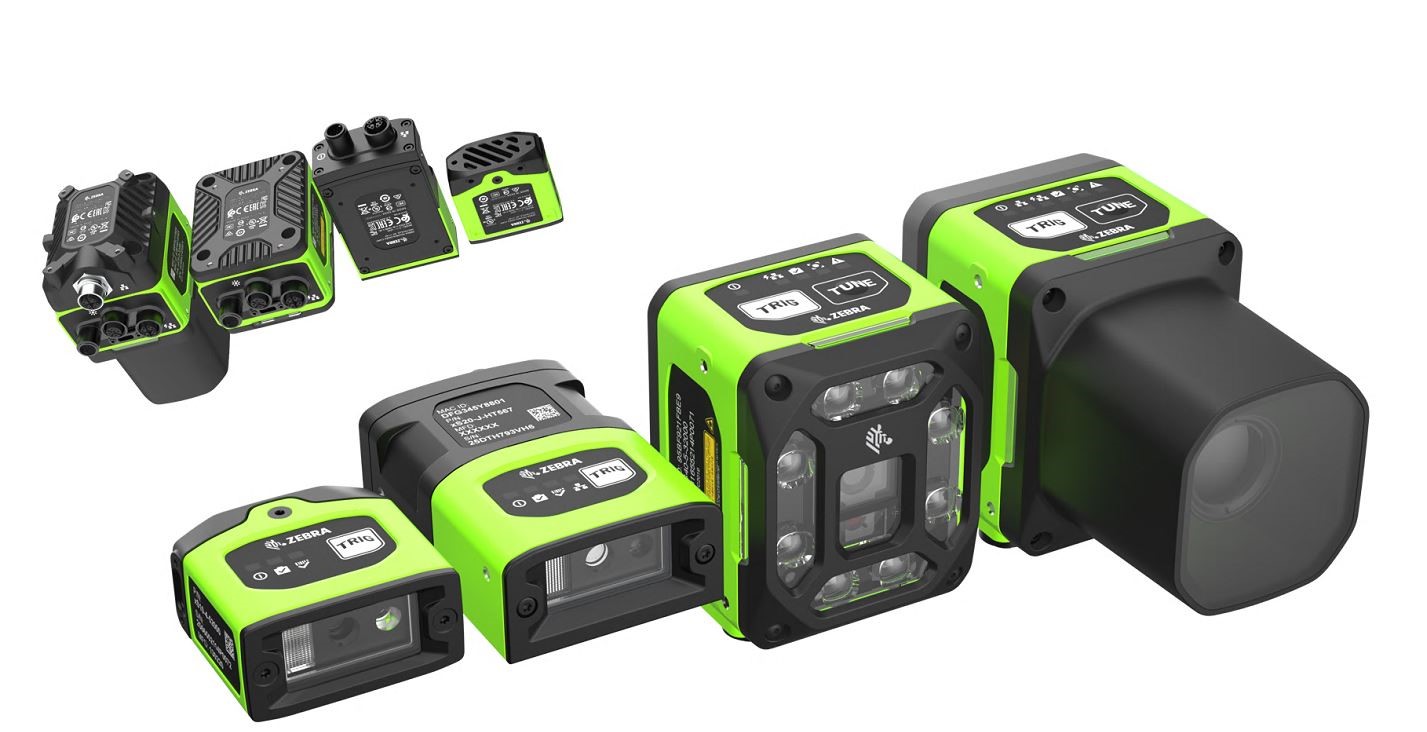
Zebra Aurora Focus: Productizing Machine Vision Software
Case study on taking Zebra Aurora Focus from R&D prototype to production software over three years, with ownership across core workflow architecture, precision tooling, and productization decisions.
Visit website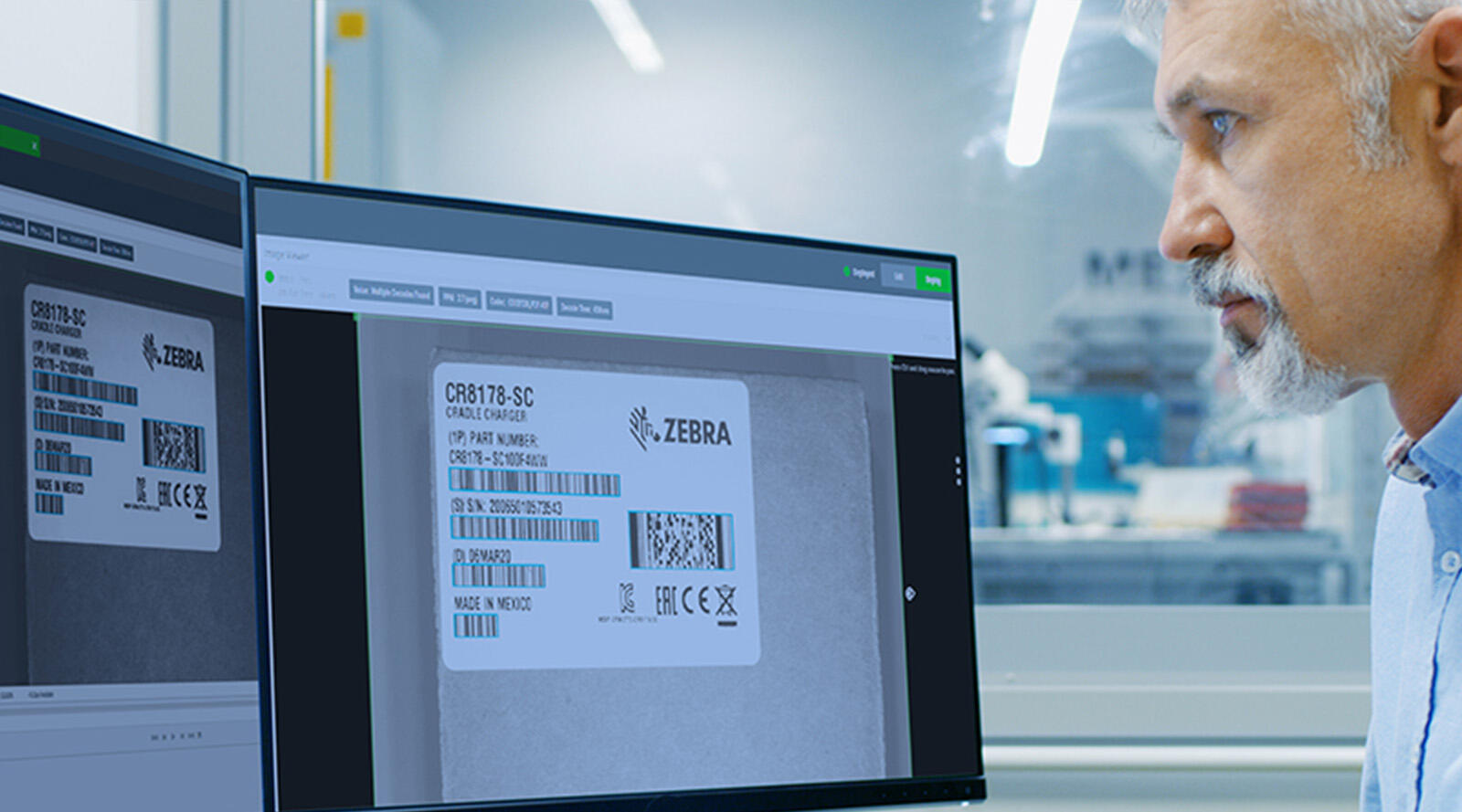
Context
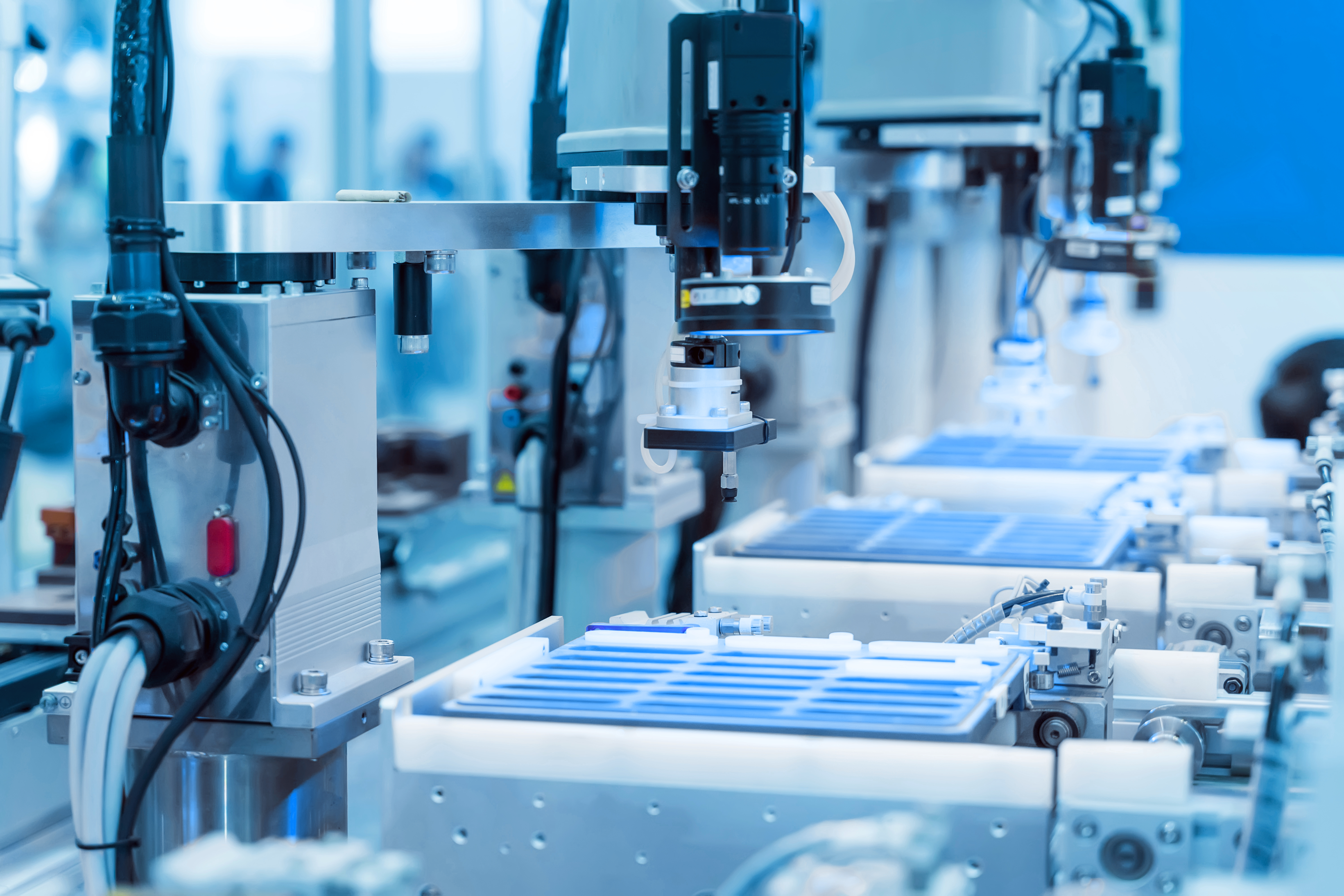
Aurora Focus began as an R&D effort to provision and deploy machine vision jobs to connected cameras. I joined early and stayed through the transition into a commercial desktop product, which meant the work shifted from proving concepts to building workflows that operators could trust in production environments.
Problem / Constraints
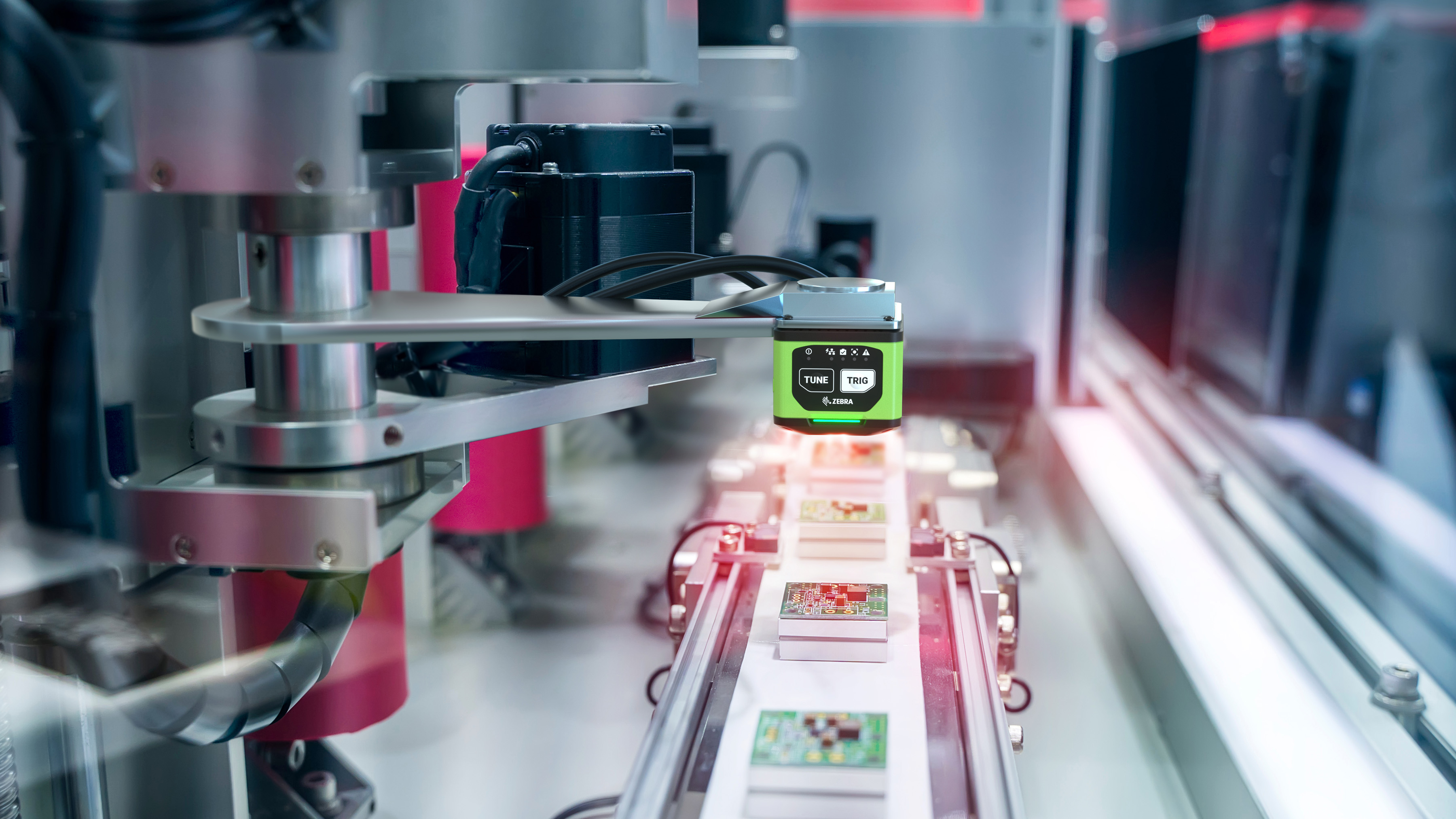
Machine vision tooling is precision work: state changes, transforms, and image adjustments all need to be repeatable and accurate. Small UX or state-management errors become real production defects when users are tuning inspections at the pixel level, while product scope was still expanding during the buildout.
Ownership & Scope
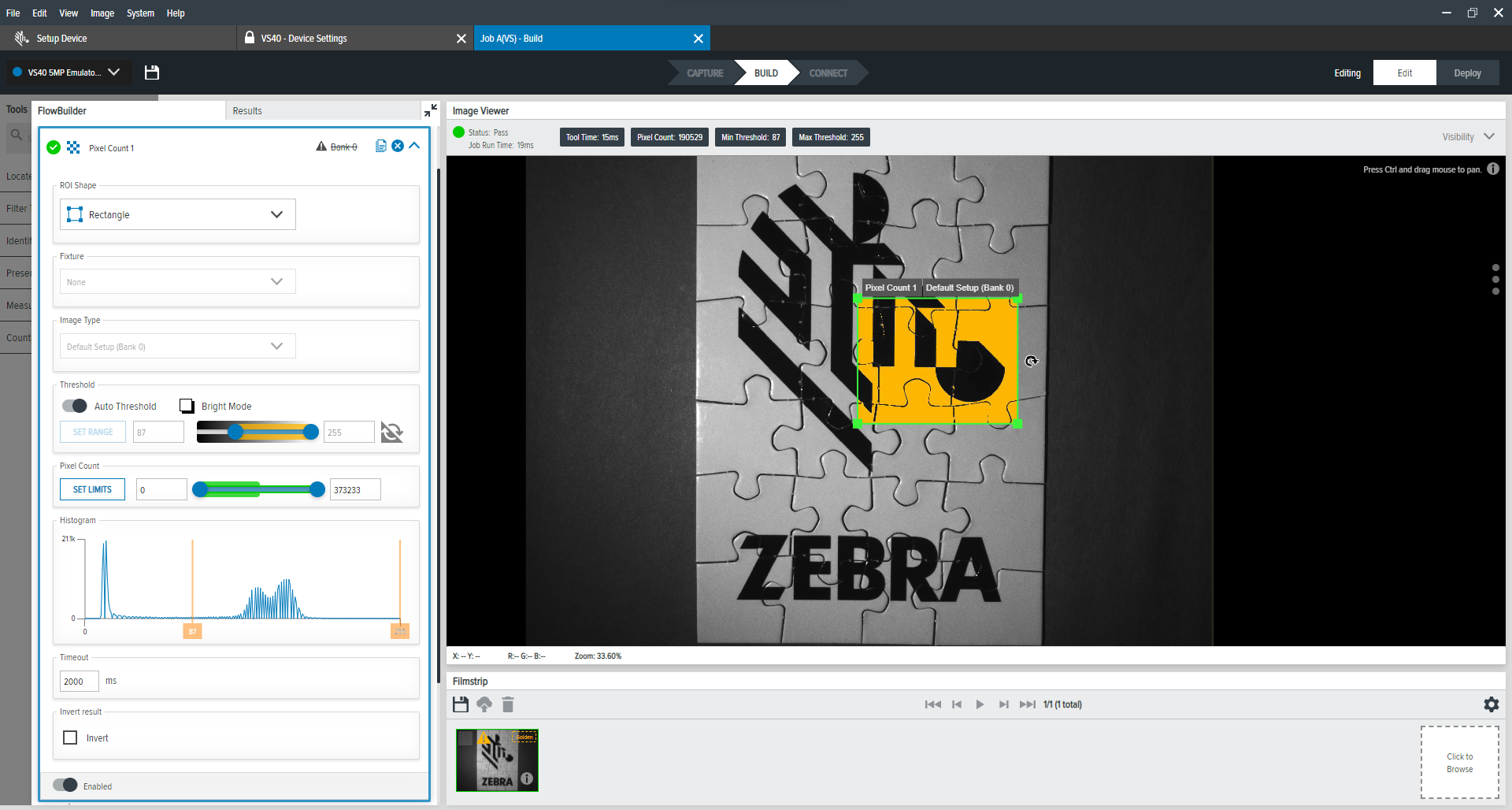
Over roughly three years, I owned delivery for 20+ major capabilities across core editing workflows and application behavior. That included architecture and implementation of a reactive undo/redo history engine that supports complex actions, movements, rotations, and configuration changes without sacrificing precision.
Key Decisions / Tradeoffs
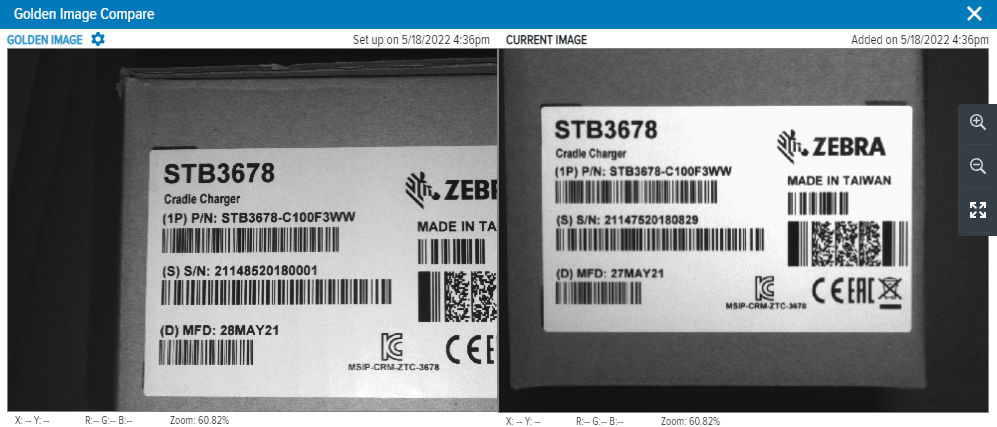
I built Golden Image Compare around synchronized HTML5 canvases so pan and zoom stayed in lockstep across reference and live images. The tradeoff was taking on more custom interaction/state coordination, but it gave operators the precision they needed for side-by-side validation and reduced manual comparison error.
Key Decisions / Tradeoffs
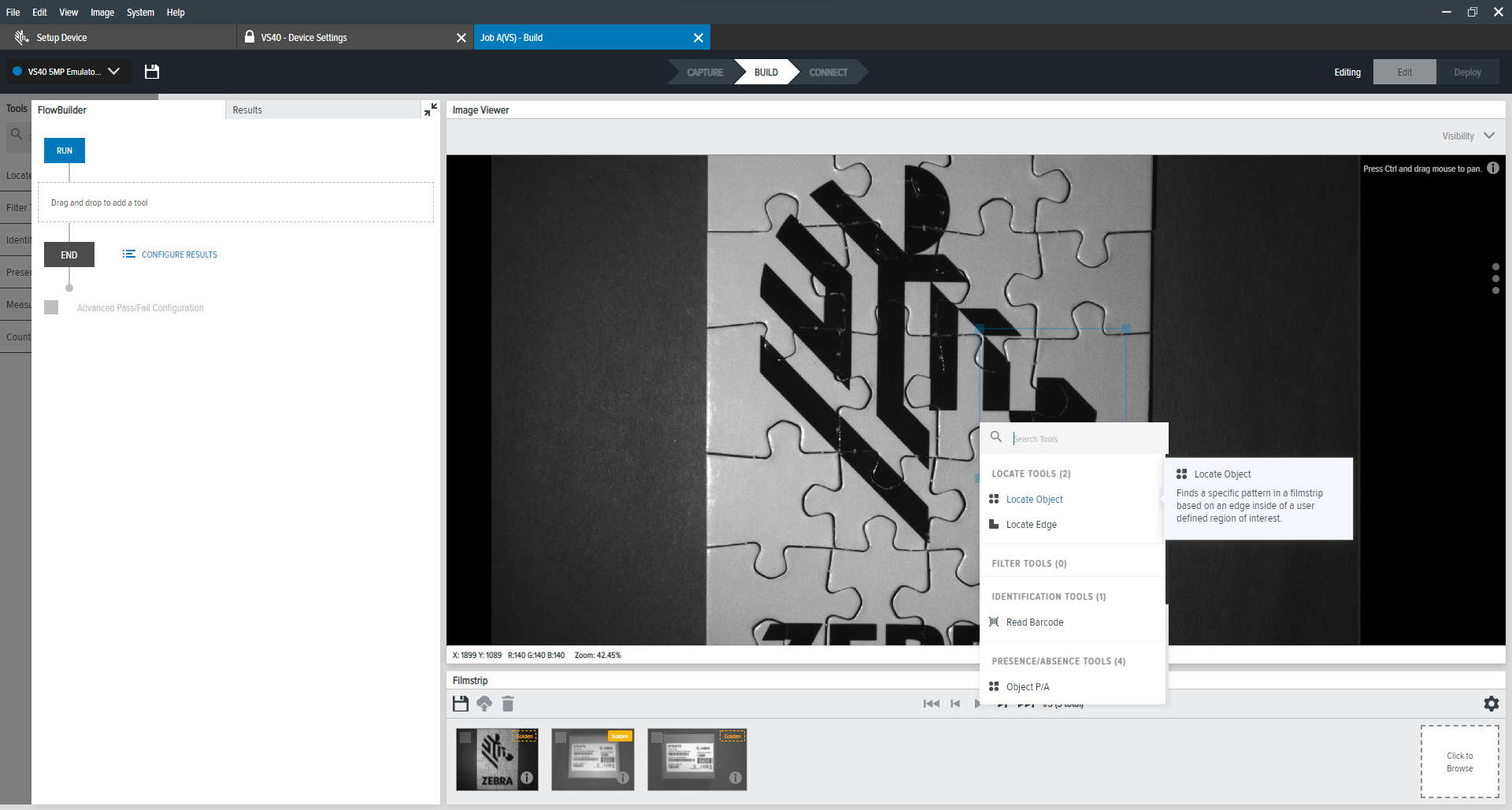
I prioritized workflow throughput over isolated UI additions: QuickDraw accelerated region selection and tool placement, and a configuration-driven file menu adapted to application context in real time. The tradeoff was more upfront systems design, but it reduced UI drift and made the product easier to extend as workflows grew.
Outcome / Impact
Aurora Focus shipped in 2021 and became a foundation for Zebra's broader suite of machine vision hardware and software solutions. The outcome was not just feature delivery, but helping move an R&D application into a production platform with extensible workflows and long-term product value.